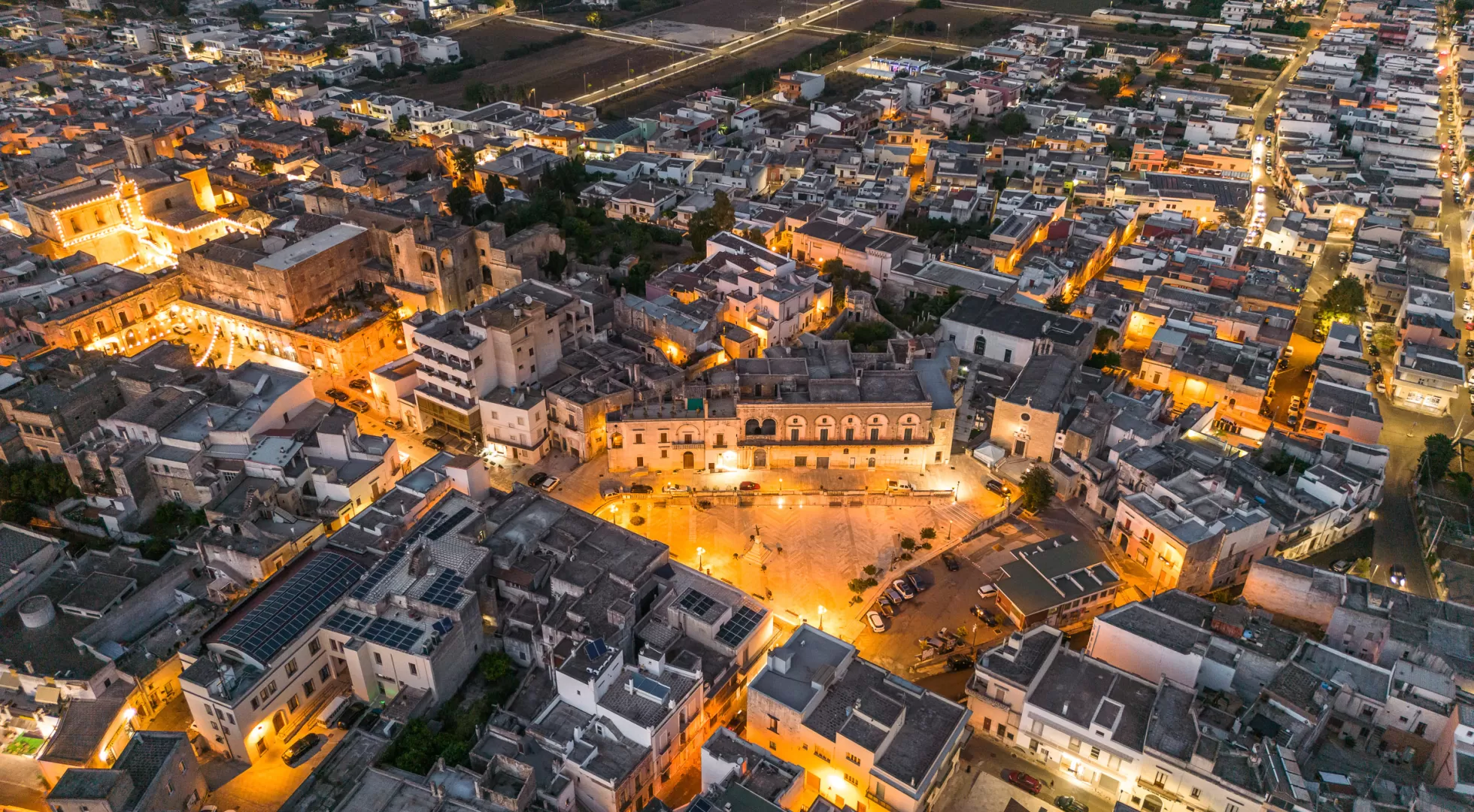
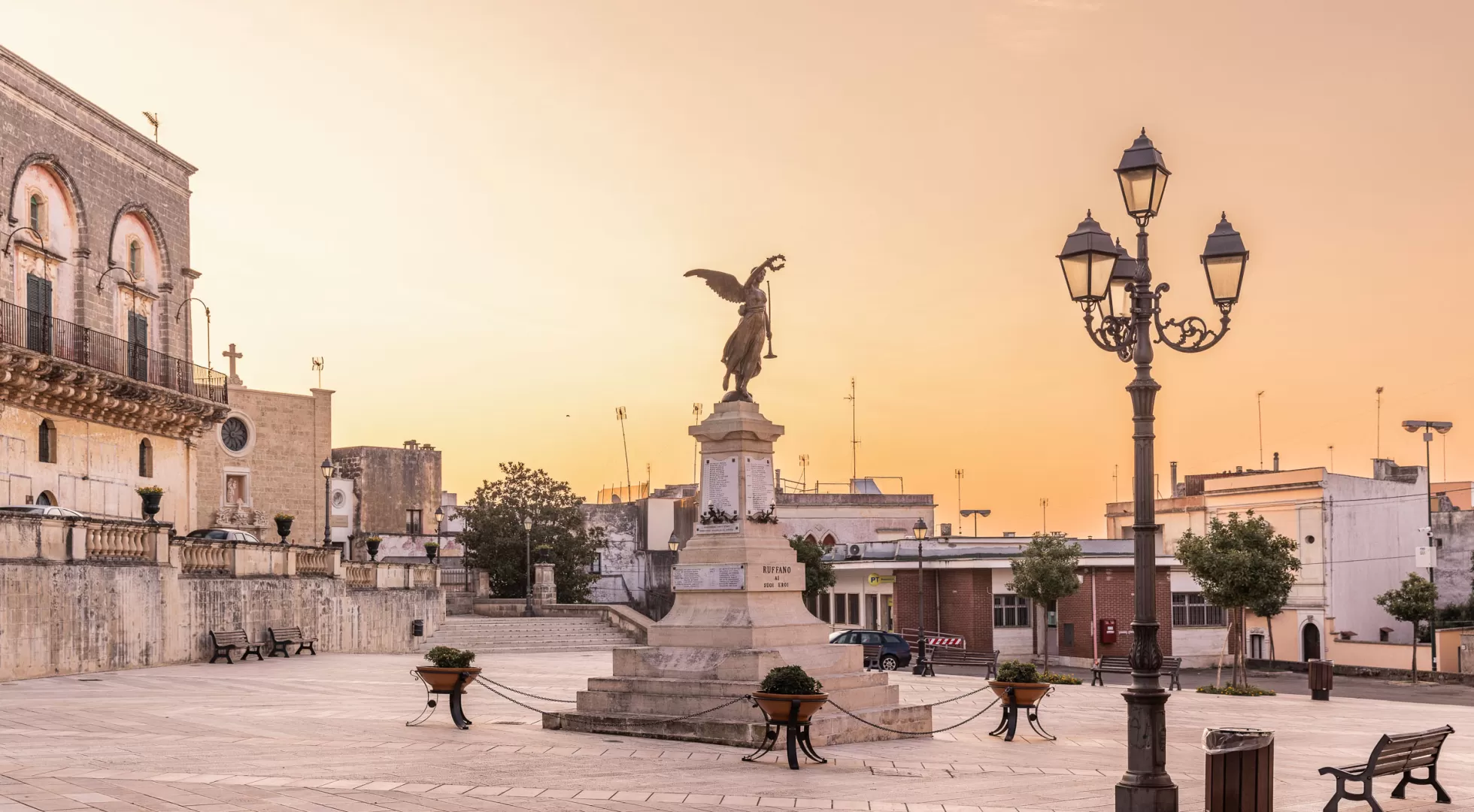
Ruffano is a town located in the center of the Salento peninsula, 10 km far from Tricase (Adriatic Sea) and 30 km from Gallipoli (Jonian Sea).
It climbs up a ridge of rock, the final part of the Salento Murge (typical hills). It’s possible to have nice walks in the green going up the Serra and Mucorone hills.
Ruffano gets its name from the Roman centurion Ruffo, who governed this land under the Roman occupation of Salento.
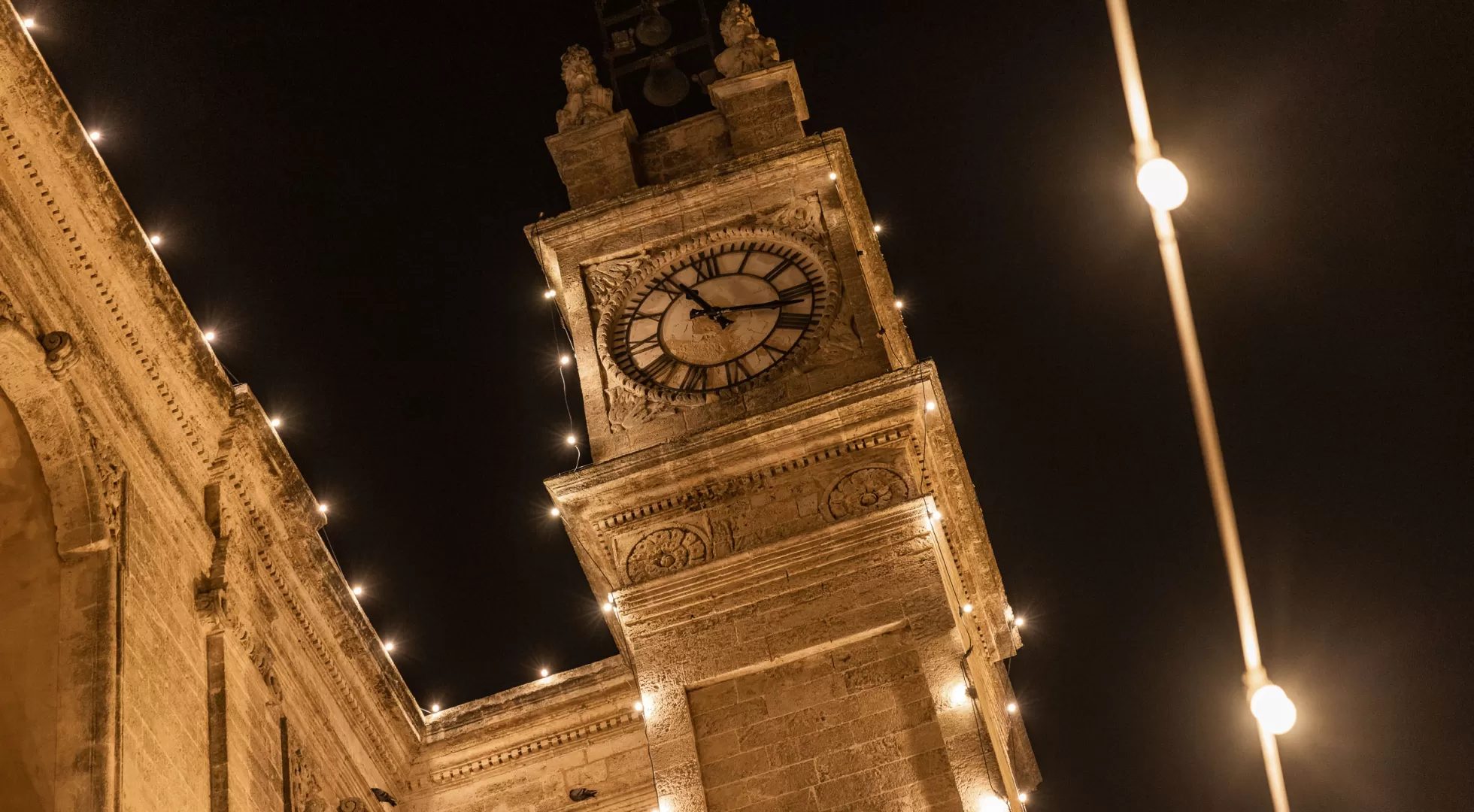
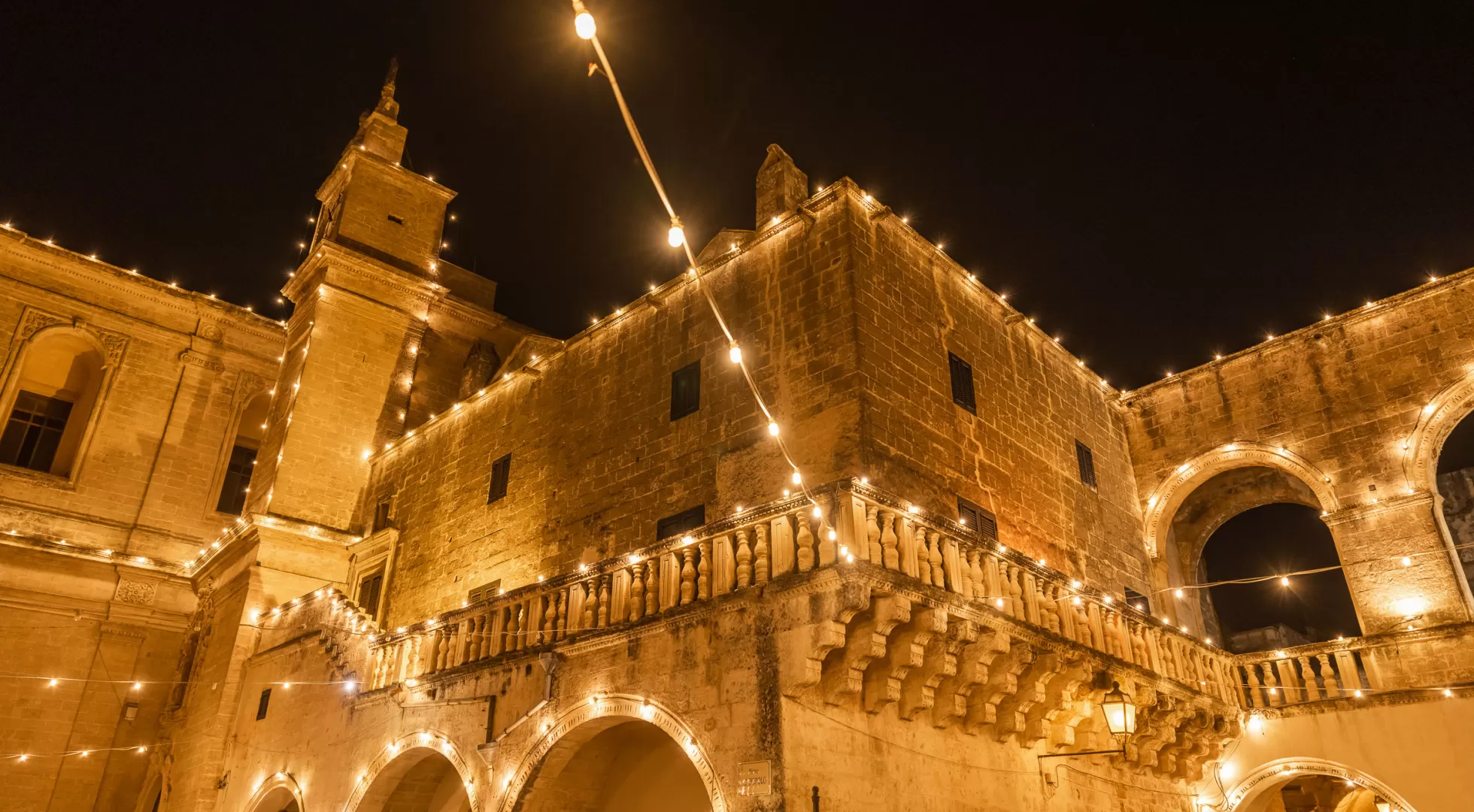
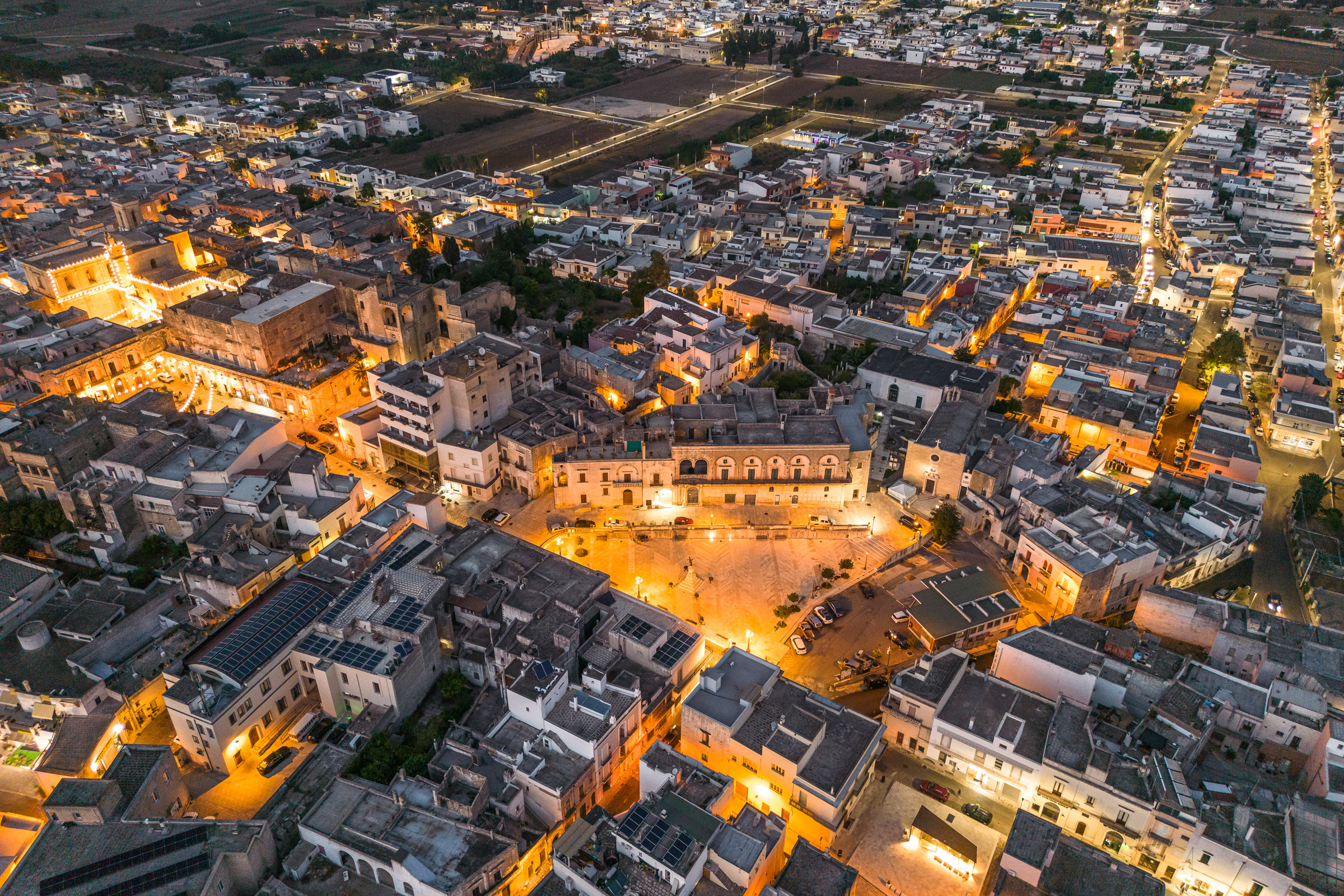
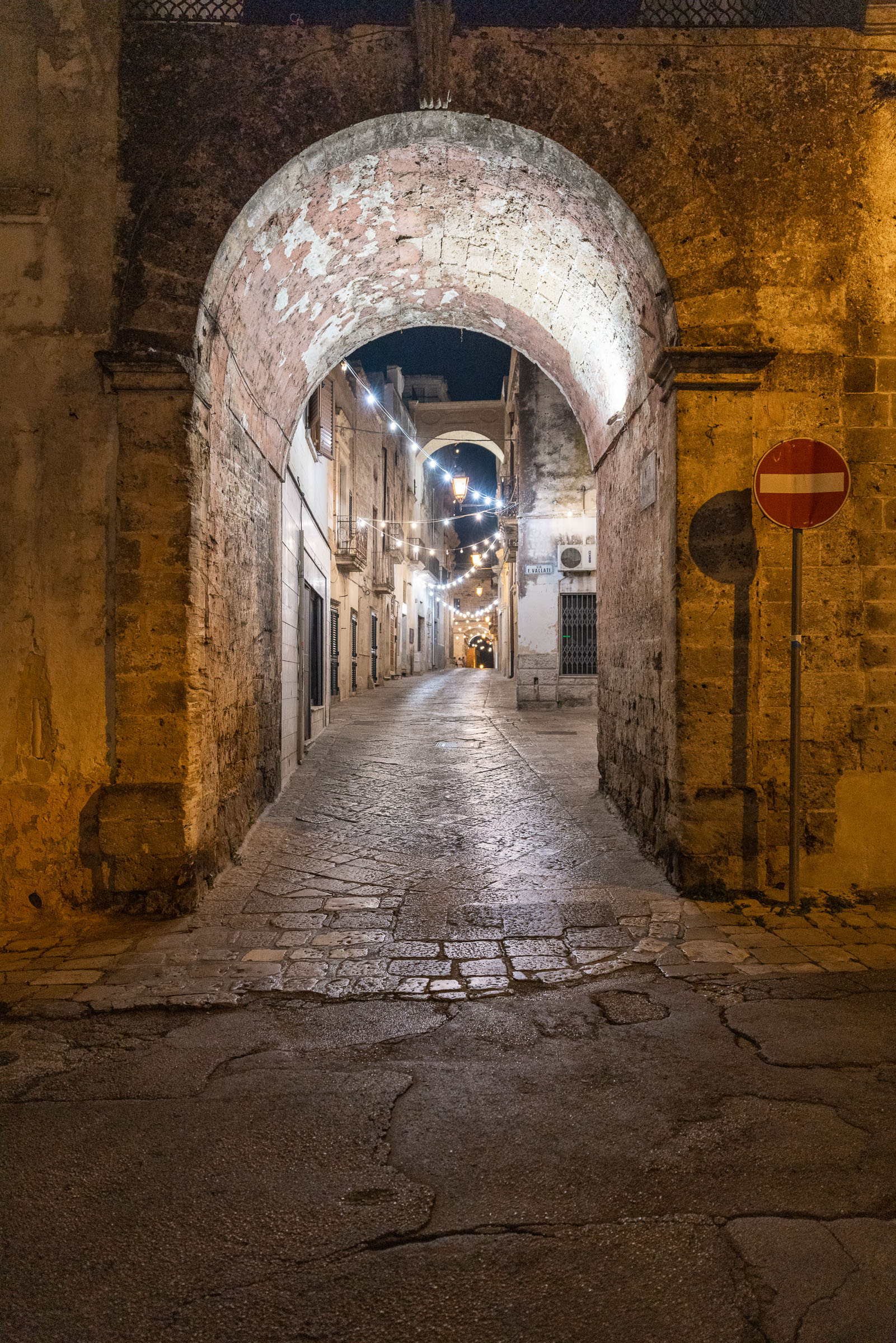
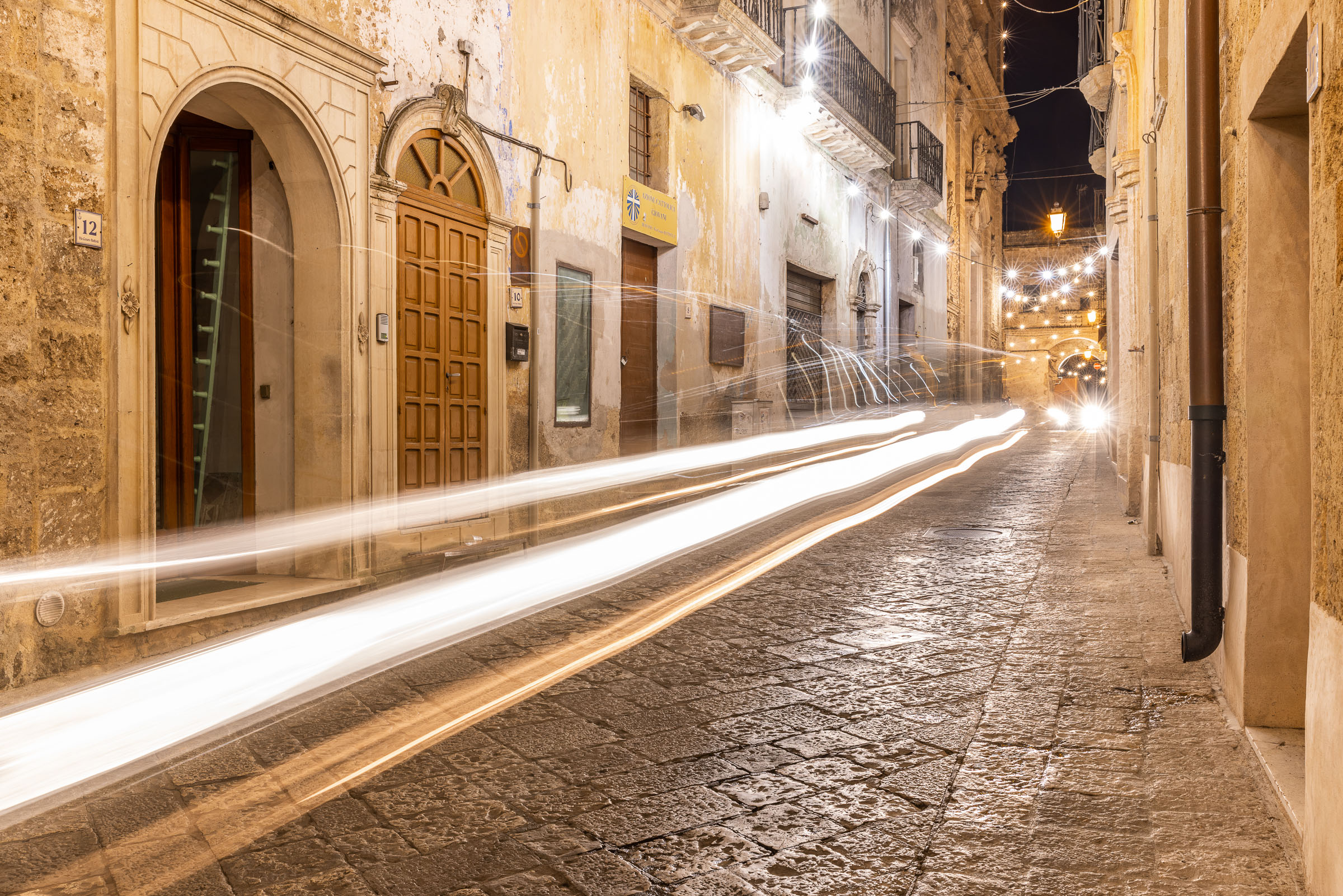
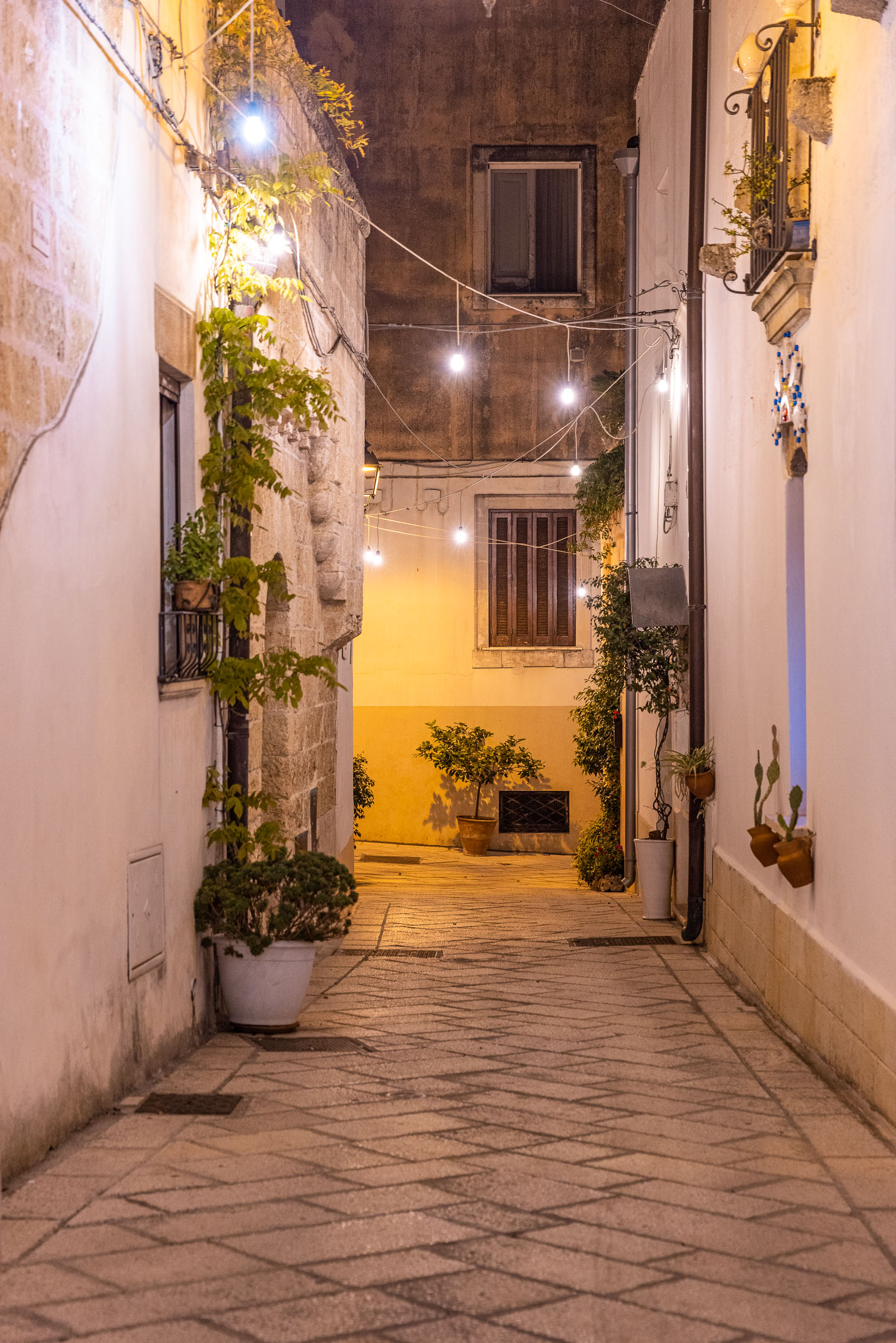
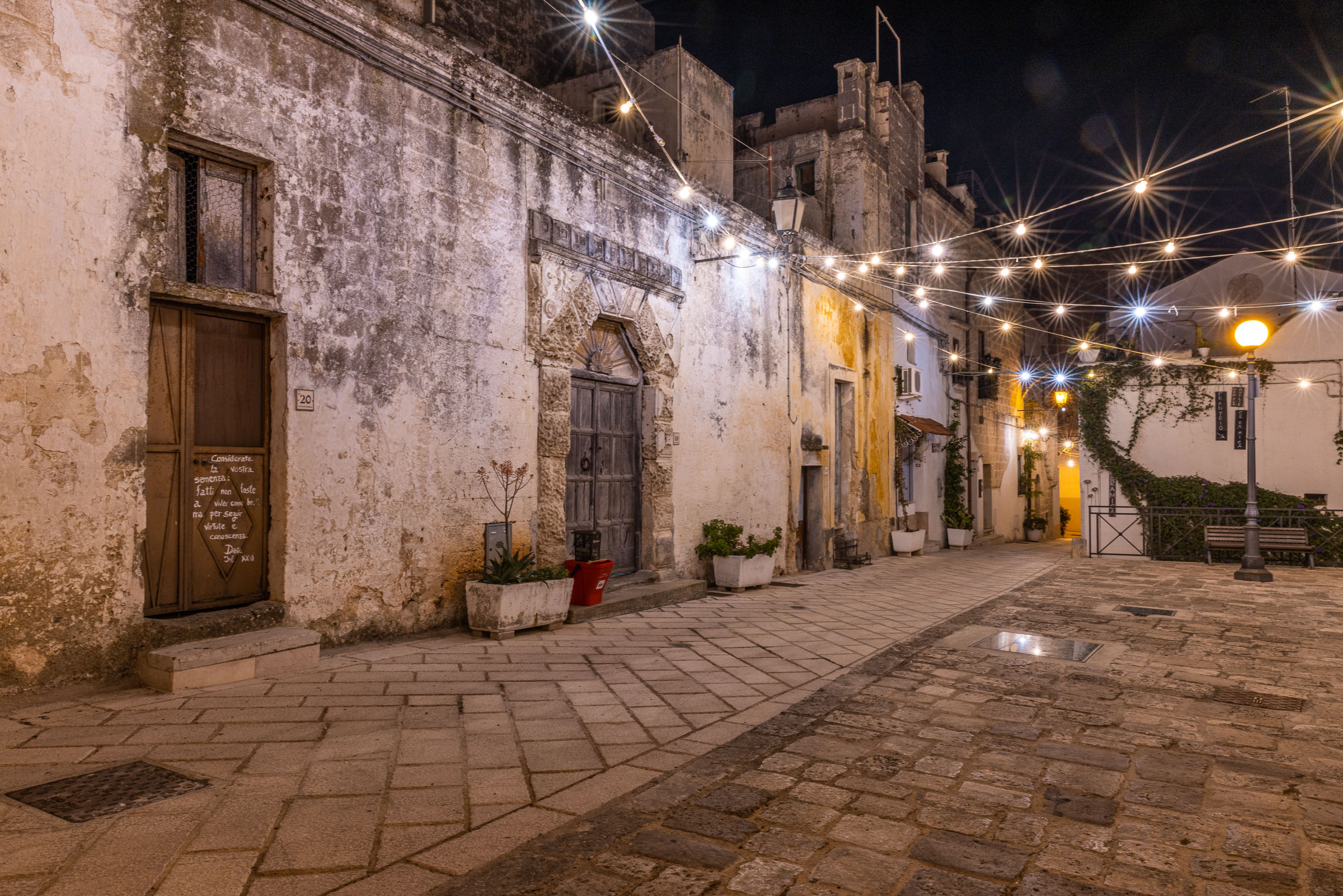
The ancient town center is charming, with its squares and narrow streets.
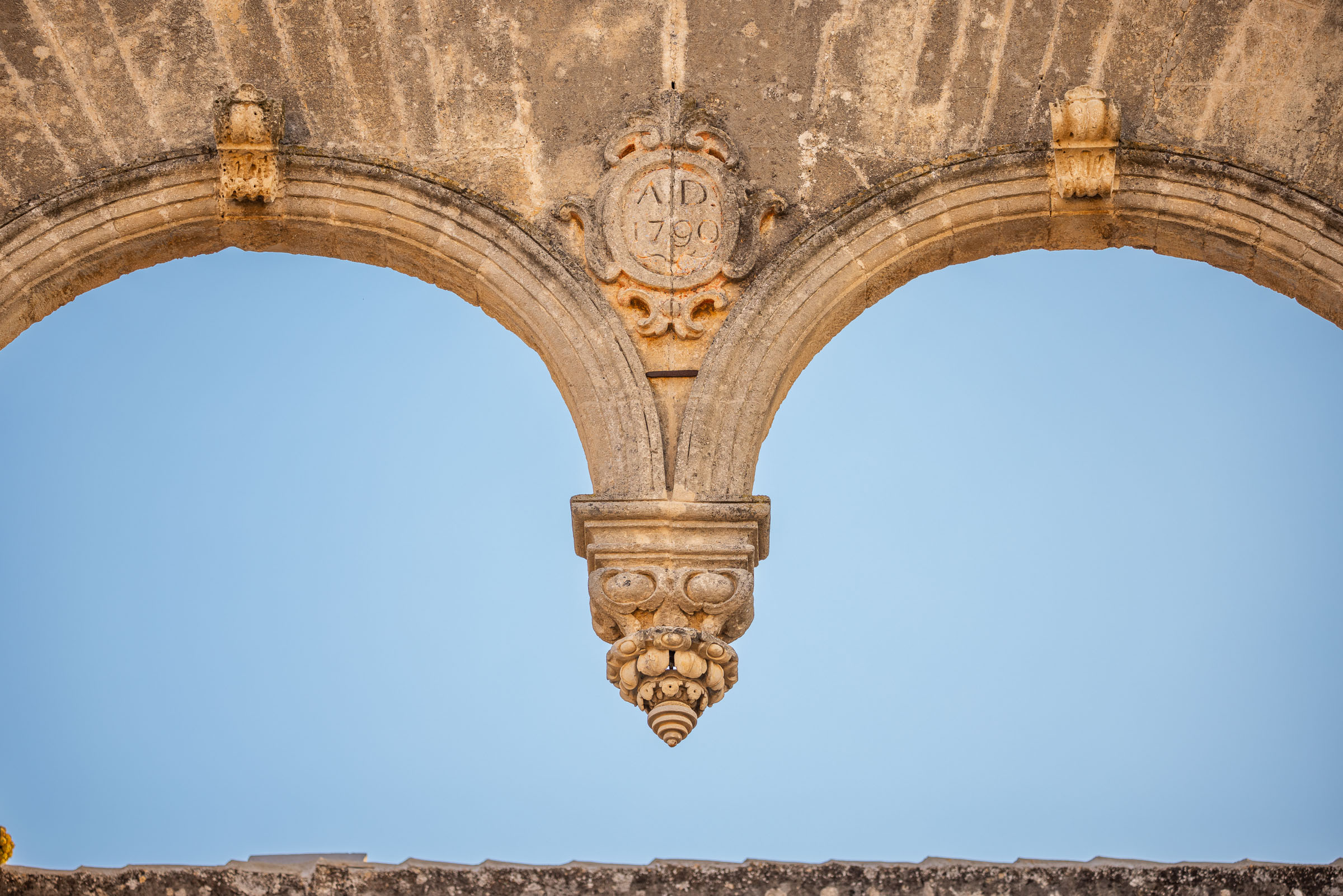
Here is the Brancaccio Castle. Located at the highest point of the town, it was built in 1626.
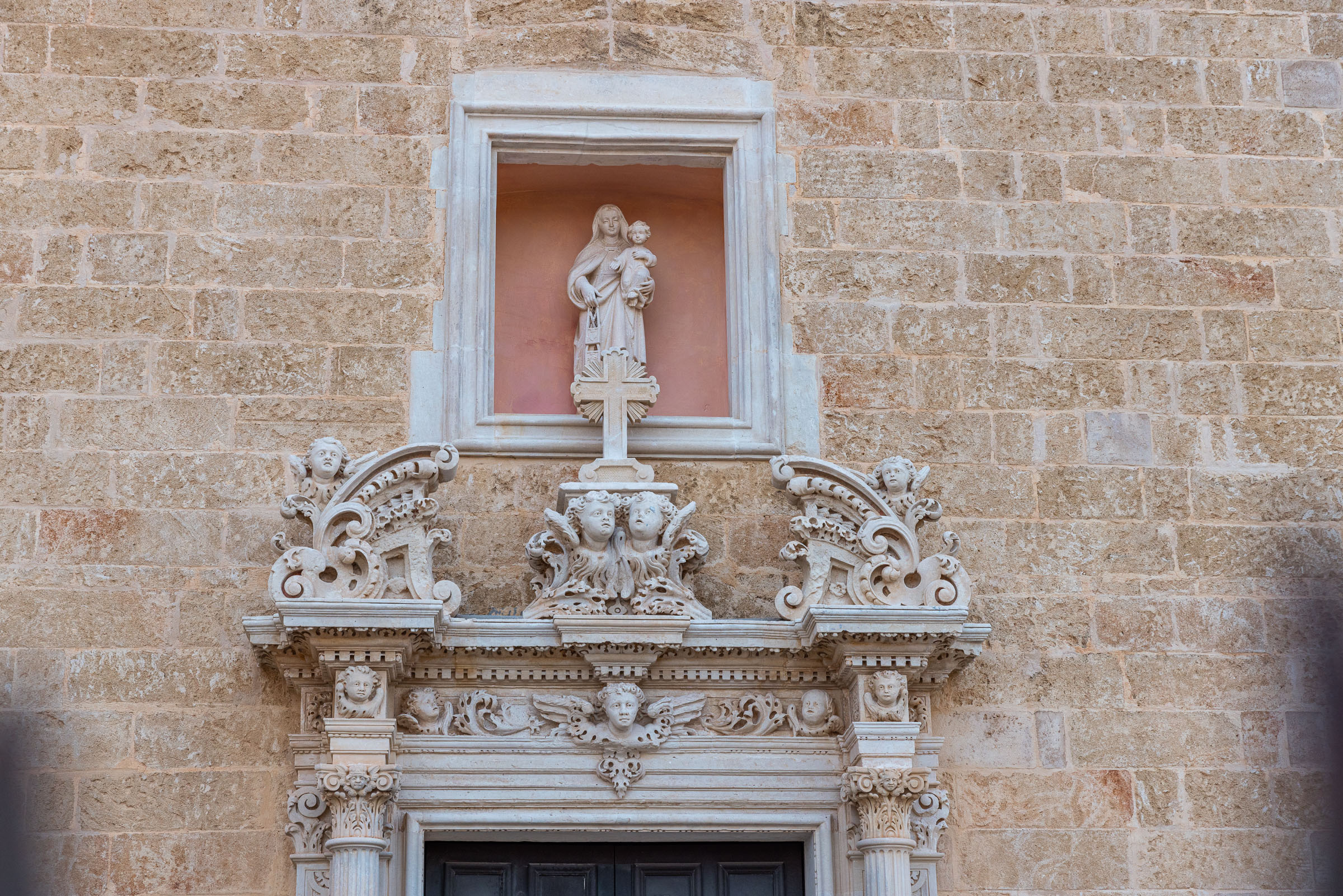
The Parish Church, dedicated to the Virgin Mary, was built in Baroque style from 1706 to 1712, on a pre-existing church of the 16th century.
TORREPADULI
Torrepaduli is the small hamlet of Ruffano.
Coming from the town, you will find the San Rocco Sanctuary, its own icon, which houses some frescoes from the 16th century.
Every year, in the night between the 15th and the 16th of August, in its churchyard is held the traditional “Sword Dance”.
The Church of the Immaculate Conception, built in the 16th century, is located in the ancient core of Torrepaduli.
The “sword dance” in Torrepaduli
In Torrepaduli, the traditional Dance-Fencing has been preserved over the years during St. Rocco feast, on the night of August 15th.
The dance is a complex ritual accompanied by the sound of harmonicas and tambourines. The movements want to mimic a knives fight. The representation continues throughout the night, from sunset of August 15th until dawn on the 16th.
SPECCHIA
It’s a very nice town near Ruffano that few years ago was listed among one of the "most beautiful villages in Italy".
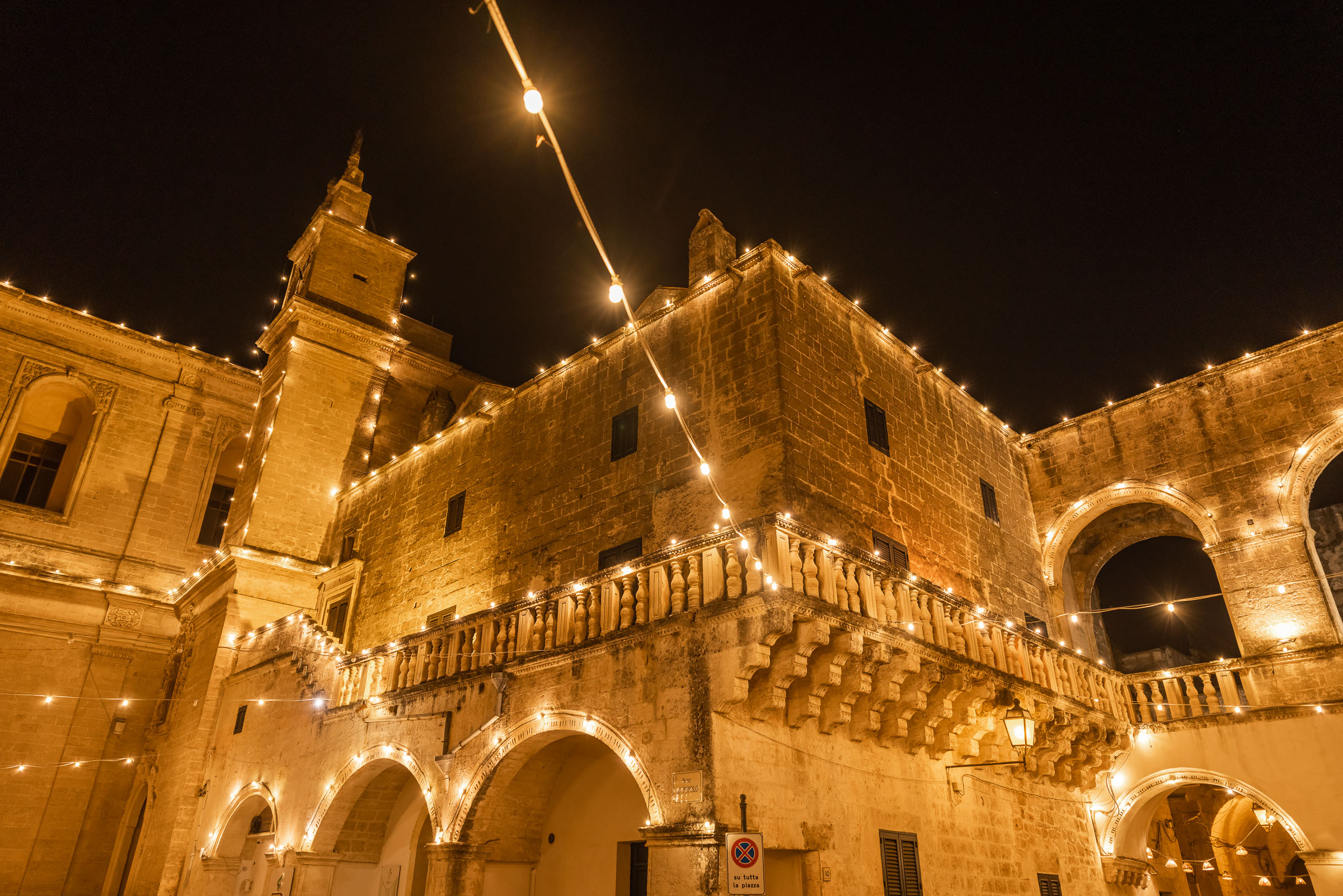
The historic center is particularly impressive in the evening, due to the splendid lighting of the Lecce stone facades. In addition to churches and palaces, it is possible to visit one of the largest and best preserved underground oil mills.
Going up to the highest part of the town, you can admire the beautiful Piazza del Popolo, where some of the most elegant buildings of Specchia overlook; among these, Palazzo Risolo, dating back to the 16th century, and the Church of the Presentation of the Blessed Virgin Mary (Mother Church), dating back to the 15th century. A little further, you can see the beautiful portico of the Palazzo Baronale Ripa.
MAGLIE
Maglie is one of the most important and ancient city of Salento. It’s is located in the middle of the Salento area, 28 km from Lecce, 30 km from Gallipoli, 50 km from Santa Maria di Leuca and only 15 km from Otranto.
An important figure was Francesca Capece, Baroness of Maglie, who donated all her possessions in 1843, including her palace, to the youth of Maglie so that they could study literature and classical matters.
Palazzo Capece, in the historic center of Maglie, is now the location of the high school.
In 1899 a white Carrara marble statue was placed near the palace and in the center of Piazza Municipio in honor of the noblewoman. It portrays her as elderly, sitting on an armchair, affectionately resting her left hand on the shoulder of a young boy whilw with the right hand she offers him the cross, as symbol of faith, and a book, as symbol of knowledge.
In Maglie it’s worth visiting various churches inspired by the Lecce baroque such as the Duomo, the Church of Santa Maria delle Grazie, the Church of Santa Maria della Scala.
In the main streets you can admire many Baroque and “Umbertine style” (late 19th - early 20th century) buildings. Among the others: the Mongiò, Cezzi, Garzja and De Marco palaces, the Palazzo Comunale, the Palazzo Tamborino, of important classical inspiration.
Surroundings of Maglie
The Maglie district is also famous for the high density of Paleolithic monuments: there are numerous dolmens and menhirs found near this city and this suggests that this was a very strategic center of Salento since thousands of years ago.
Among the many existing dolmens the most famous are the "Chianca", the "Canali", the "Grotta" and the "Pino" dolmen.
Many menhirs were also found, even in excellent condition, especially in the eastern part of the city.
THE GRECìA SALENTINA
The Grecìa Salentina, is a corner of Greece in Italy, in the heart of Salento, where a linguistic minority still speaks griko, a dialect similar to the Greek language of the Byzantine era.
The history of Salento is closely linked to the Greece one.
The Jonian and Adriatic Sea routes were well known at the time of the Cretan civilization and there were continuous trade relations between the two peoples.
The villages of Calimera, Castrignano dei Greci, Corigliano d'Otranto, Martano, Martignano, Melpignano, Soleto, Sternatia, Zollino are part of Grecìa Salentina, to which the municipalities of Carpignano Salentino, Cutrofiano and Sogliano Cavour were added in 2007.
Among the various trekking routes in Grecìa Salentina, the one relating to the megalithic monuments is unmissable: dolmens, menhirs and mirrors.
Both the dolmens and the menhirs would have had a religious function, while the mirrors had a defensive one.
In Martano we find the Specchia dei Mori and the Menhir Teofilo, the tallest in the region (5 metres).
Other precious megalithic monuments can be visited in Melpignano, Corigliano d'Otranto, Carpignano, Zollino and Soleto.
The “Pozzelle” are another example of the precious remains of the past in this region.
They are called "ta frèata" in Griko language and are not simple wells, but functional cisterns with a depth of up to 8 metres, built next to each other, to collect rainwater.
Due to their function, they were built near the town centre.The pozzelle were made with dry stone. Concentric circles of gradually smaller diameter were created in the hole and the top of the cistern was closed by a cubic or square shape block of Lecce stone, with a hole in the centre.
Rainwater was collected in the puddle and retained by the surrounding clay soil.
The cleverness of the ancients went to build pools connected to each other and with multiple openings.
Among the towns of Grecìa, Zollino is the one that host the highest number of Pozzelle.
The cultural feature of Grecìa Salentina has been brought to the fore at national and international level by the Notte della Taranta, a traditional music event that attracts thousands of people every year in August in the square of the former Augustinian Convent, in Melpignano.